How to keep dogs cool and safe in hot weather
Warm weather can be challenging for dogs. Overheating can develop faster than you think, and in severe cases leads to heatstroke, a life-threatening medical emergency. As temperatures rise, any dog can struggle with heat.
“But some dogs may find it even harder to stay comfortable, including puppies, older dogs, overweight dogs, dogs with thick or dark coats, giant breeds, and flat-faced breeds," says UK Veterinary Surgeon, Broadcaster and Rescue Vet on YouTube, Dr Scott Miller.
What is heatstroke?
Dogs mainly cool down by panting. Unlike people, they cannot sweat through their skin to lower their body temperature.
When a dog becomes too hot but can still cool down with rest, shade, and water, this is often referred to as overheating.
Heatstroke occurs when the body temperature continues to rise and the dog's natural cooling mechanisms can no longer keep up. As the body overheats, organs and tissues can become damaged. In severe cases, this can lead to organ failure and can be fatal without urgent veterinary treatment.
"The most important thing is prevention. Heatstroke is a medical emergency. It can develop surprisingly quickly and, sadly, some dogs don't survive. Prevention is always better than treatment,” warns Miller.
7 practical ways to help your dog stay cool and prevent overheating
1. Know when it is too hot for walks or activities
Heat tolerance varies from dog to dog and can change depending on the weather, route, and activity.
Important factors include age, breed, coat type, body condition, fitness level, humidity, shade, airflow, ground surface, and access to water.

2. Reduce the activity level
Research has shown that about 75% of heatstroke cases in dogs are linked to over-exercising or exercising on hot days. Swapping intense exercise for calmer activities that stimulate your dog’s brain, or water activities can significantly reduce the risk of overheating.
3. Plan walks for early mornings and evenings
Plan exercise and outdoor activities during the cooler times of the day.
"During hot weather, only walk your dog early in the morning or later in the evening when temperatures are lower," says Miller.
4. Watch out for hot surfaces
Hot asphalt, sidewalks, sand, artificial turf, and other surfaces exposed to direct sunlight can become dangerously hotter than the surrounding air temperature.
"If you can't comfortably hold the back of your hand on the pavement for five to seven seconds, it's too hot for your dog's paws," says Miller.

Grass, dirt trails, shaded paths, and areas near water are better options when available. If hot surfaces cannot be avoided, heat protective dog booties are highly recommended.
5. Keep water available at all times
"Always carry fresh water and encourage regular drinking breaks," says Miller.
Hydration plays a vital role in helping dogs stay comfortable in warmer weather. Make sure your dog always has access to fresh, clean water, both at home and on the go. During travel, hikes, or walks where water availability is not guaranteed, a portable dog bowl and a bottle for your dog can make it easier to keep your dog hydrated.
6. Use simple cooling habits that make a difference
"Simple things can help, such as providing shade, adding ice cubes to water bowls, using damp towels, or offering frozen enrichment toys," Miller adds.
Small cooling habits can make a big difference. At home, cool resting areas and calm enrichment can help your dog stay comfortable. Outdoors, regular shade breaks, wetting the coat with water, and shortening activities when needed can help prevent heat from building up.
7. Use cooling aids
Cooling aids can provide additional support for dogs during warm weather, whether they are relaxing at home, travelling, working, training, or joining you on outdoor adventures when conditions are safe to do so.
"Alongside hydration, shade, and sensible exercise, cooling products like cooling vests can be useful preventative tools to help dogs stay comfortable in warmer conditions," Miller says.
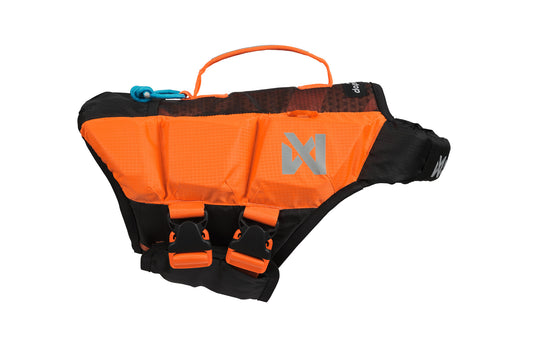
It is important to choose a cooling vest that uses evaporative cooling and is made from breathable materials. This type of vest is soaked in water before use, and as the water slowly evaporates through the fabric, it helps draw heat away from your dog's body. Breathable materials allow air to circulate and heat to escape, rather than trapping warmth against the dog.

By combining evaporative cooling with breathable materials, our dog cooling gear helps support your dog's natural ability to regulate body temperature and stay comfortable in warm weather. The cooling effect can last up to five hours, and you simply re-soak the product to reactivate it.
Our Cooling series includes two designs to suit different needs:
- The Cooling pull-on vest combines stretchy materials and expanded size options for a close, comfortable, and harness-friendly fit.
- The classic Cooling vest offers a highly adjustable fit and can be put on without lifting your dog's legs, making it a practical option for many dogs.
Important: Cooling aids should always be used alongside sensible heat management. They do not make it safe to continue intense exercise in hot weather and should never be relied upon to prevent heatstroke during strenuous activity.
Know the warning signs
Recognizing the early signs of heatstroke can make the difference between life and death. Miller encourages to pay close attention to changes in behavior that may indicate your dog is becoming uncomfortable.
"Always monitor your dog in the heat. Watch for excessive panting, slowing down, seeking shade, or signs your dog is becoming uncomfortable."
Warning signs of heatstroke can include:
- Excessive panting
- Difficulty breathing
- Slowing down or unwillingness to move
- Excessive drooling
- Confusion or disorientation
- Collapse
If you suspect heatstroke, act immediately. Move your dog somewhere cool. Repeatedly pour cold water over them and put them somewhere with air movement, such as near a fan if available.
Alternatively, dogs that are otherwise healthy can be immersed in cold water from the neck down. Then contact your vet straight away. Rapid cooling is the priority.

Never leave a dog in a vehicle
One of the most important hot-weather safety messages is to never leave a dog unattended in a vehicle.
"Never leave your dog alone in a vehicle. Even on a mild day, temperatures inside can rise rapidly and become life-threatening."
Temperatures inside vehicles can increase quickly, even when the weather outside feels relatively comfortable. Leaving windows open is not enough to keep your dog safe.
Plan ahead for warmer weather
Warm weather doesn't have to mean staying indoors. With a little preparation and awareness, you can help your dog stay safe and comfortable whenever temperatures rise.
Miller concludes, "Keeping dogs safe in warm weather is all about planning ahead. Fresh water, shade, sensible exercise, and cooling aids can all play an important role in helping dogs stay comfortable throughout summer."
By understanding the risks, recognising the early warning signs of overheating, and taking simple preventative measures, you can help your dog staysafe, comfortable and better prepated for warm weather.
Stay cool. Stay safe.